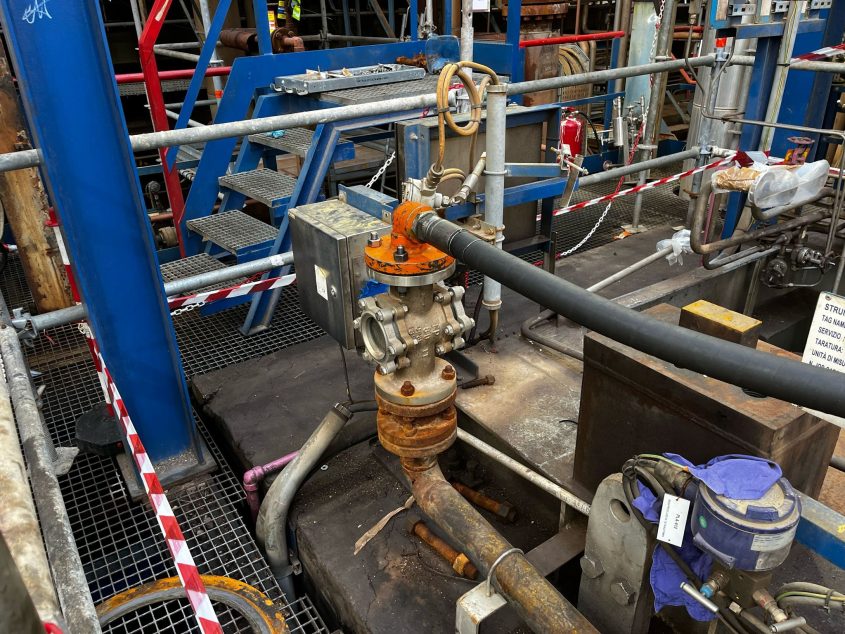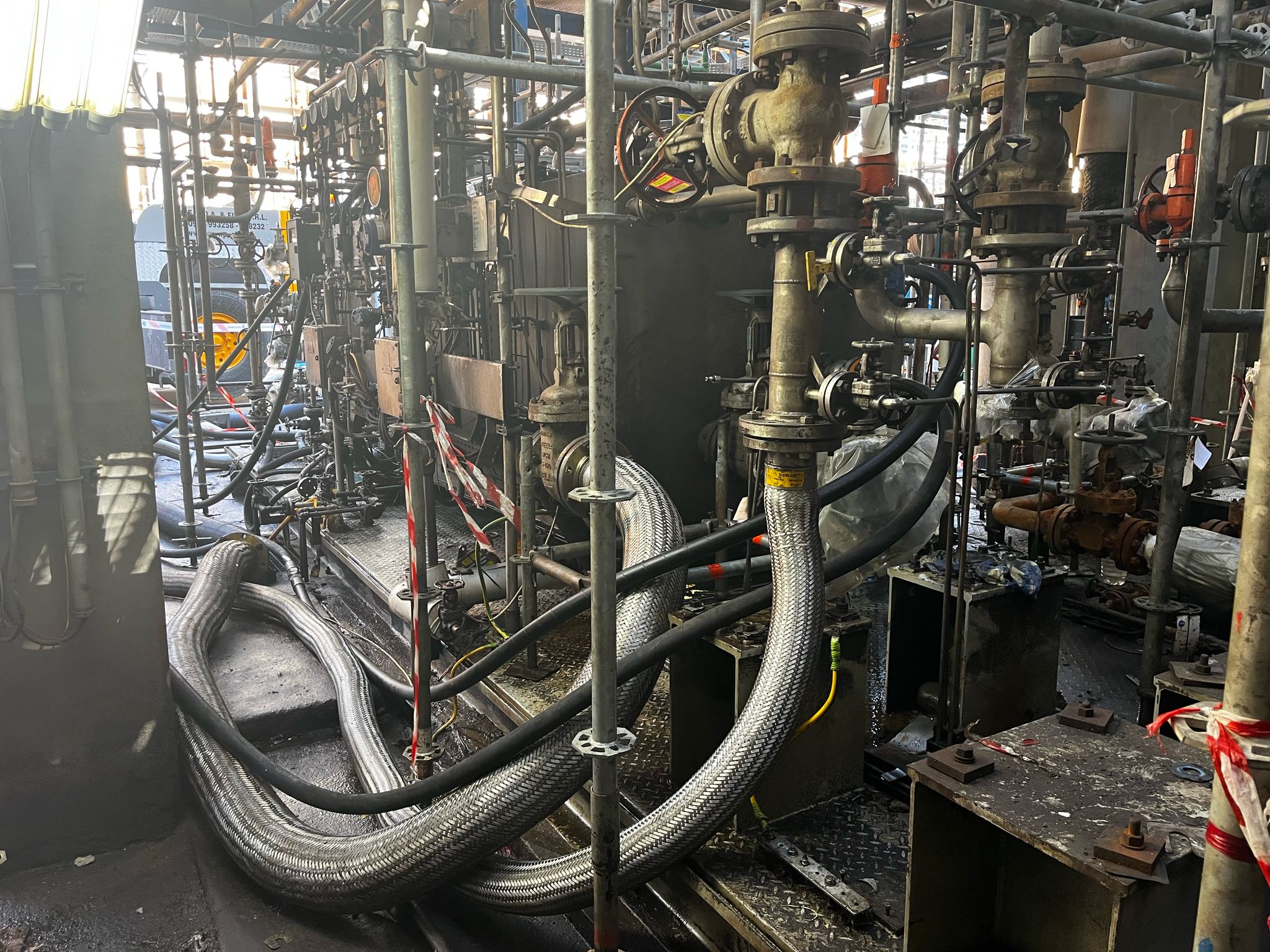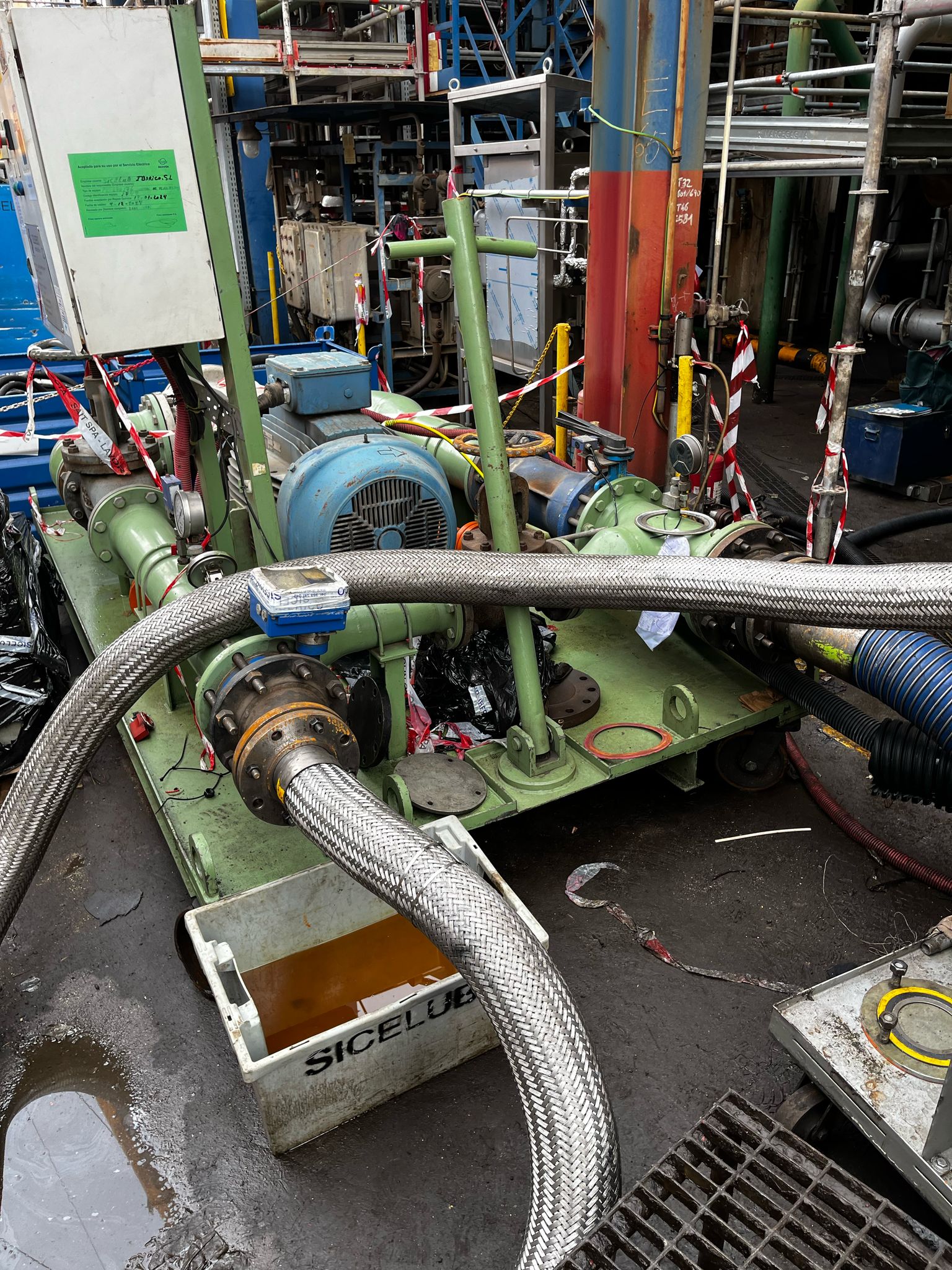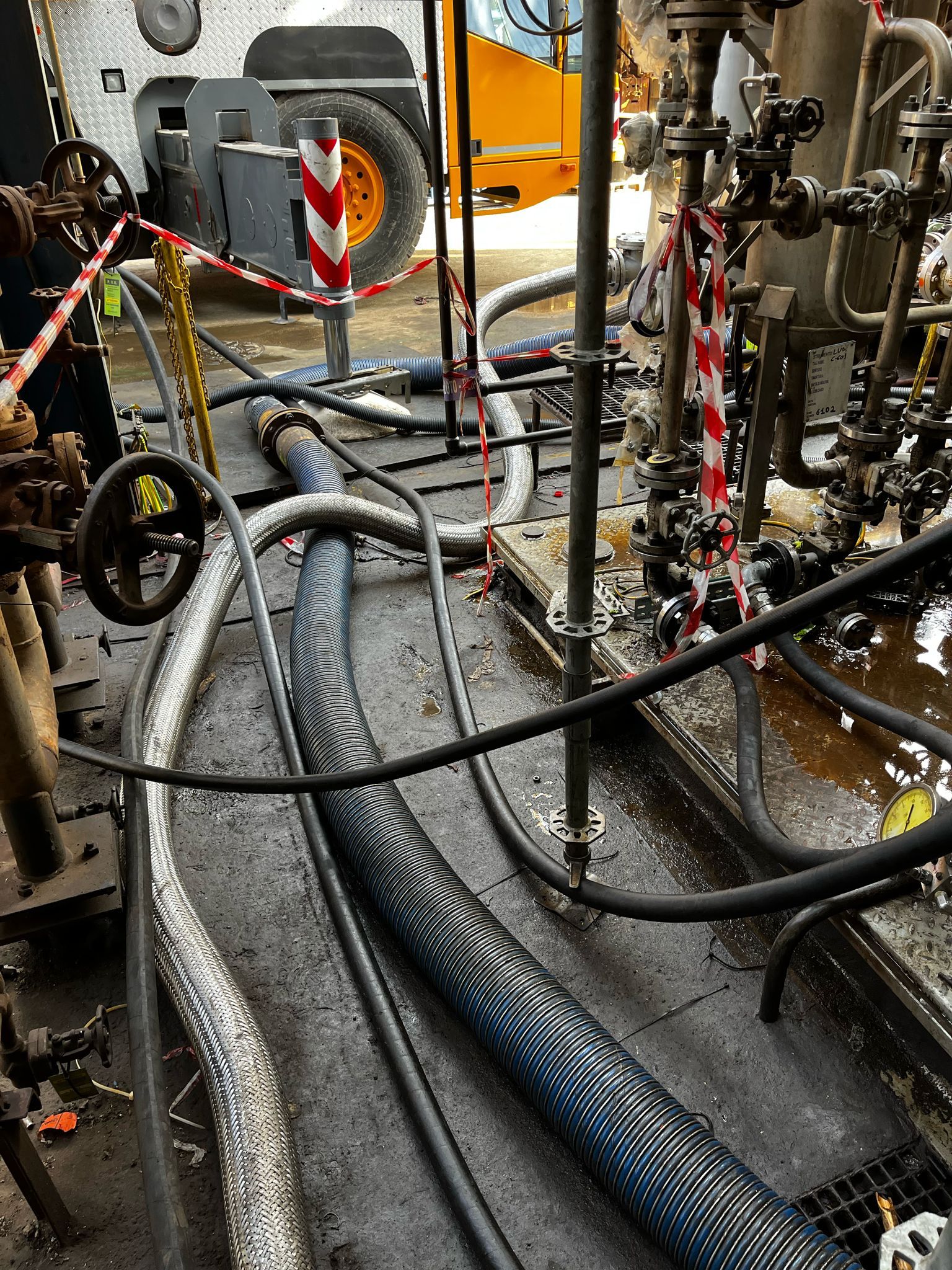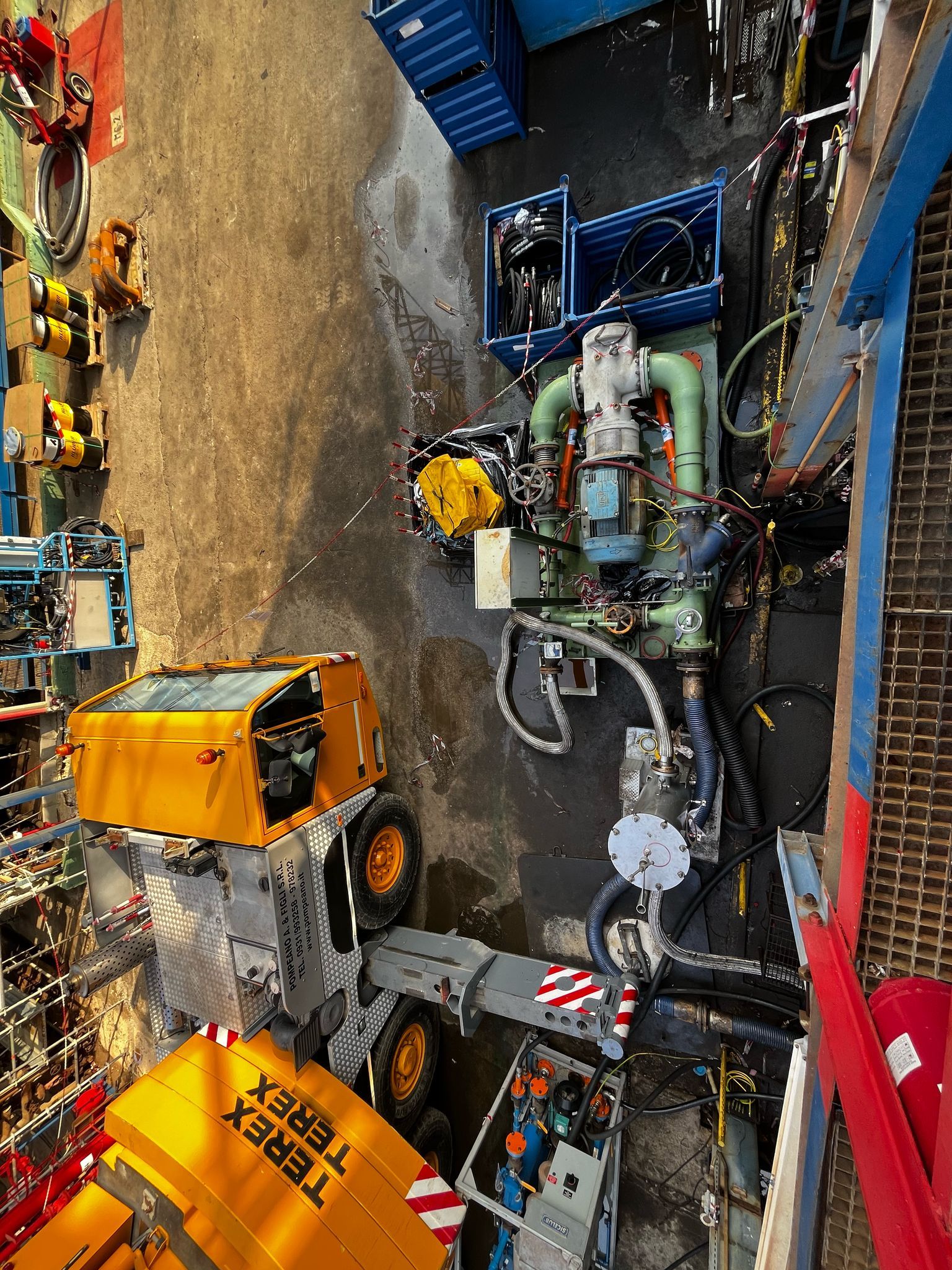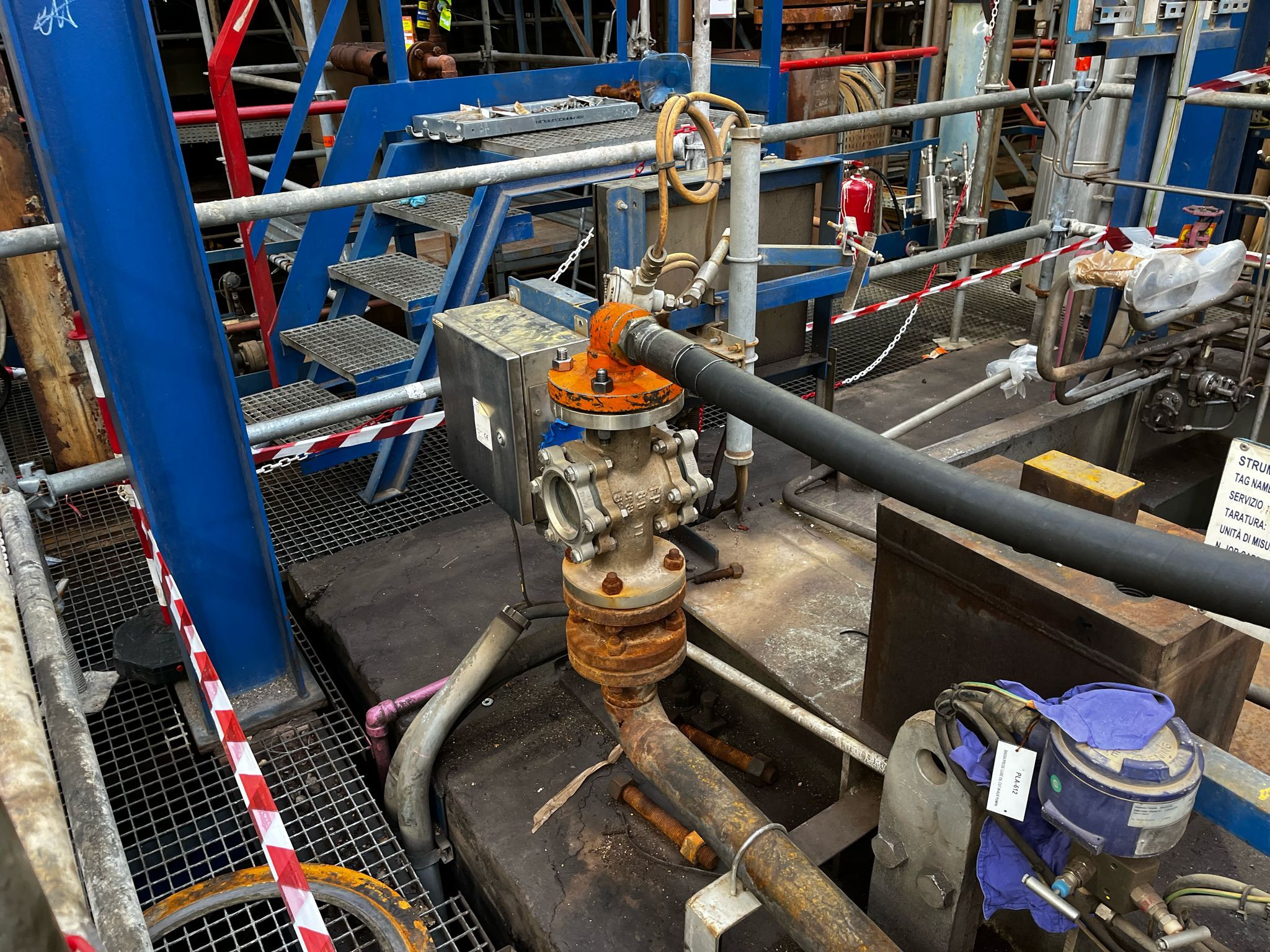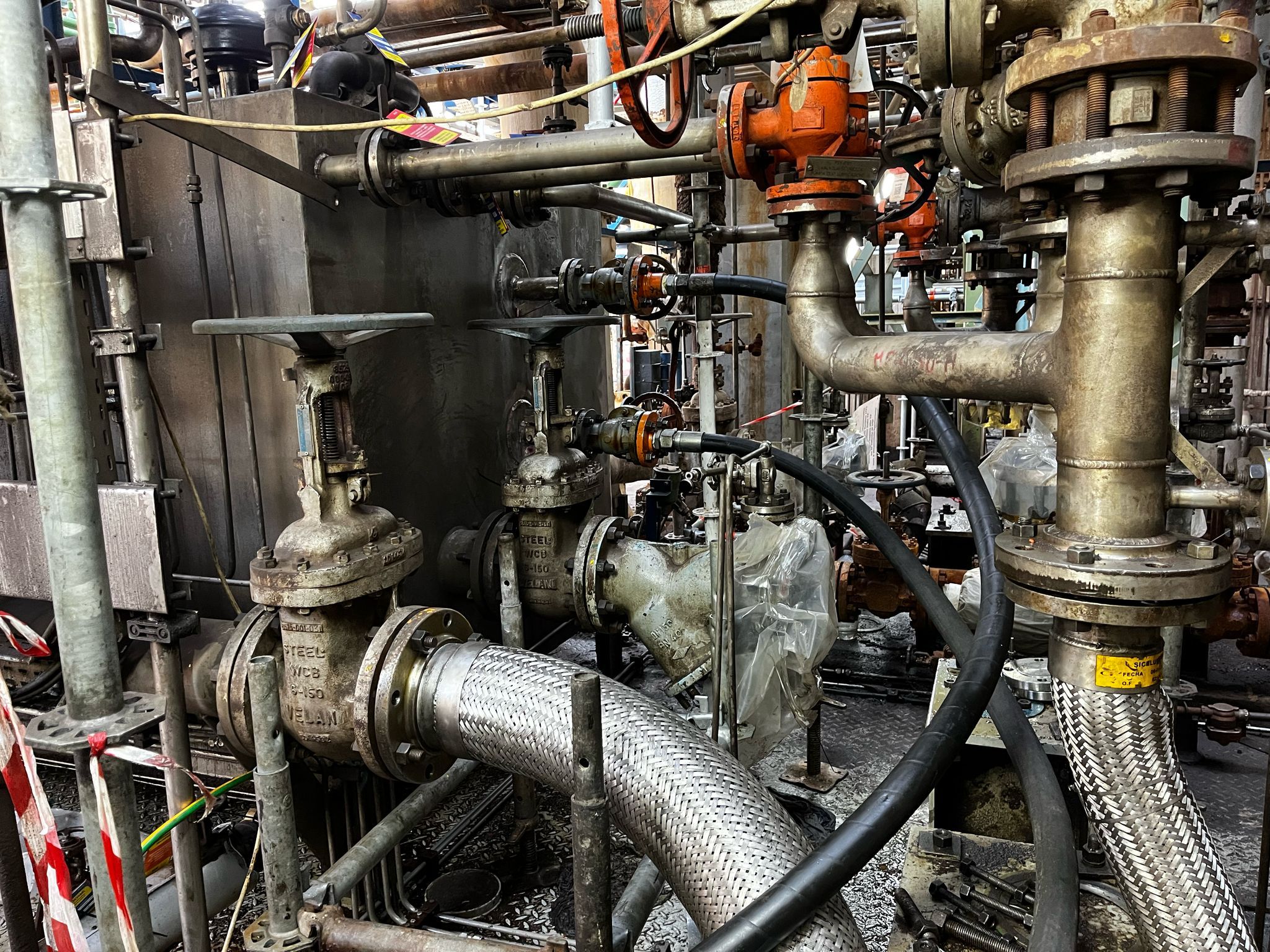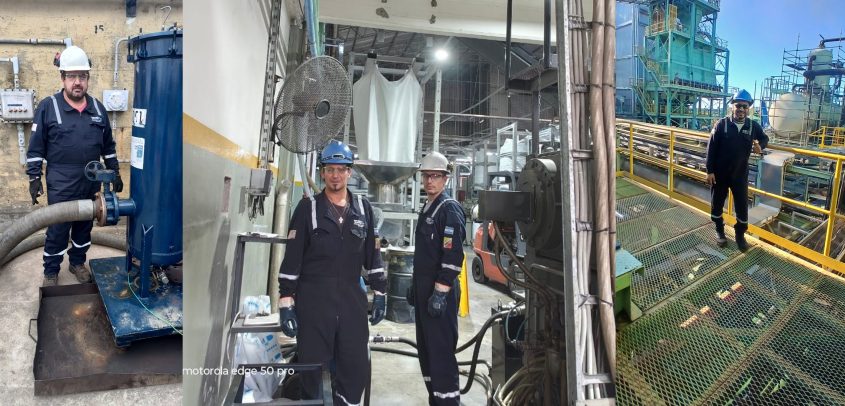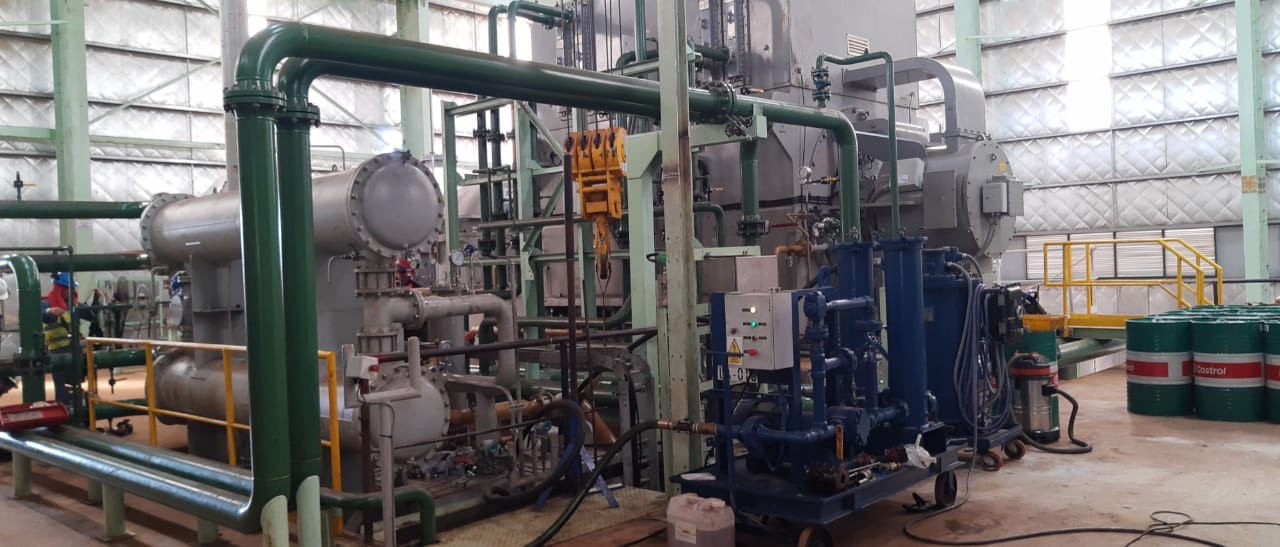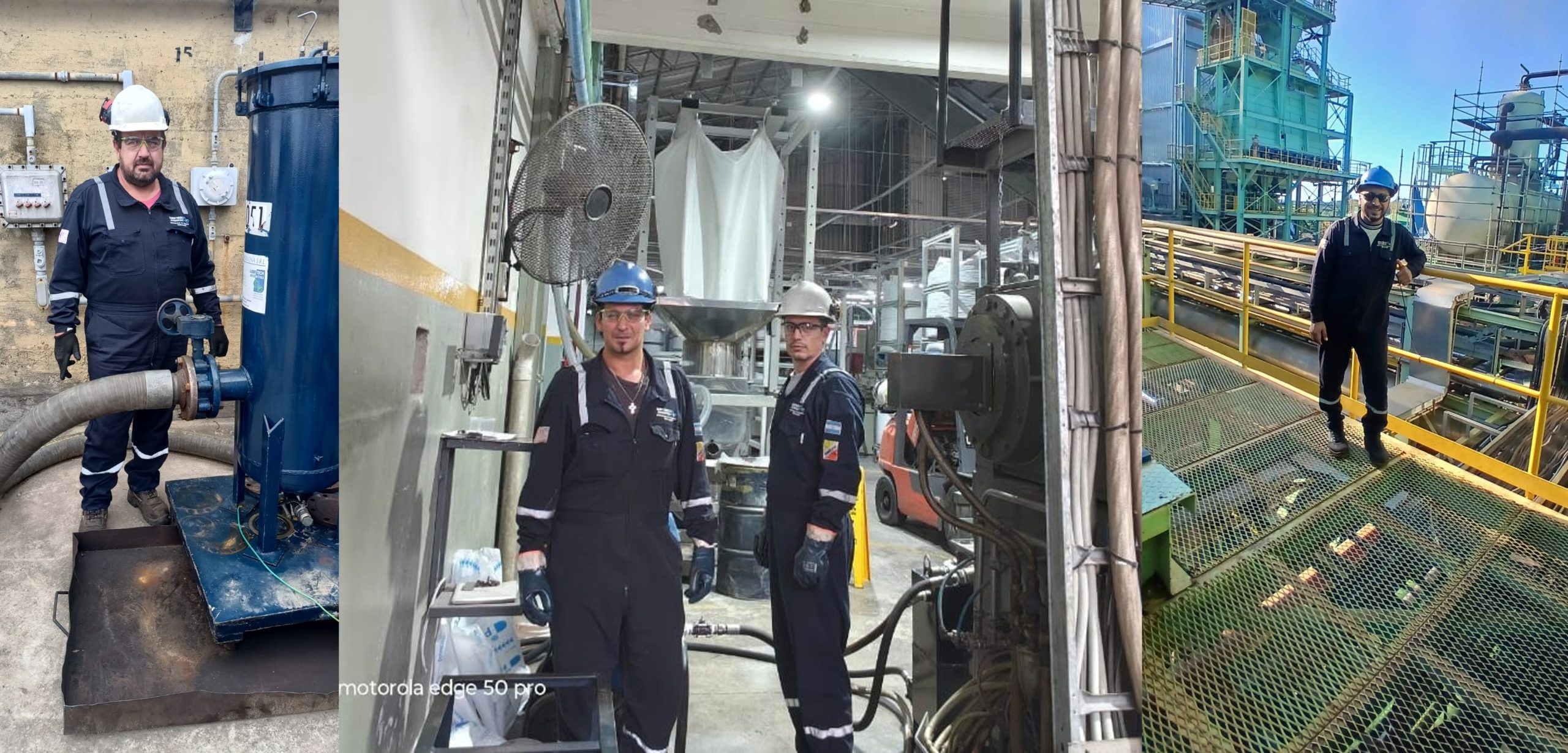
At the end of October, Sicelub Ibérico, our company in Spain, carried out an intervention in an important Combined Cycle Power Plant in Catalonia. We intervened on a gas turbine.

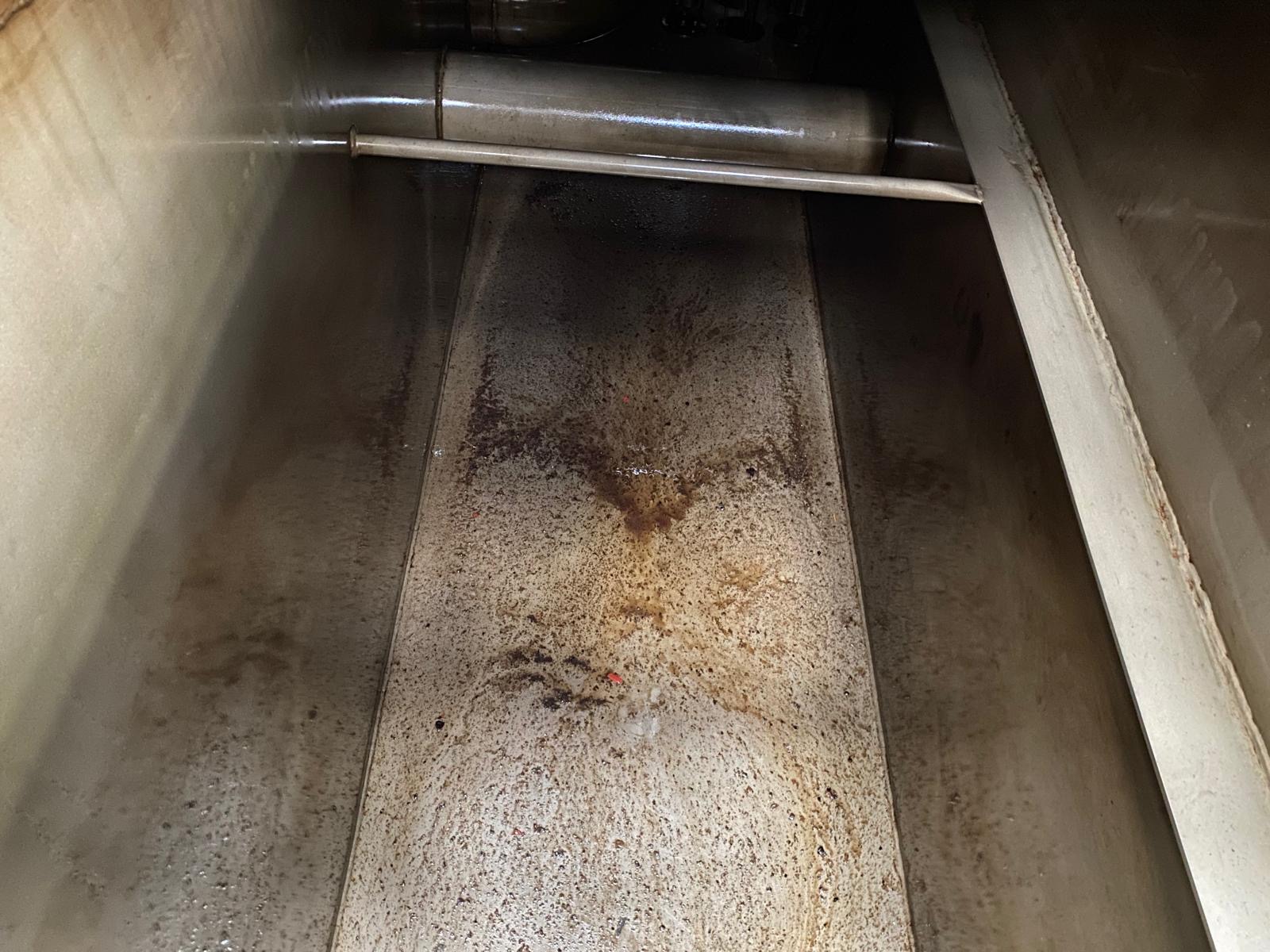
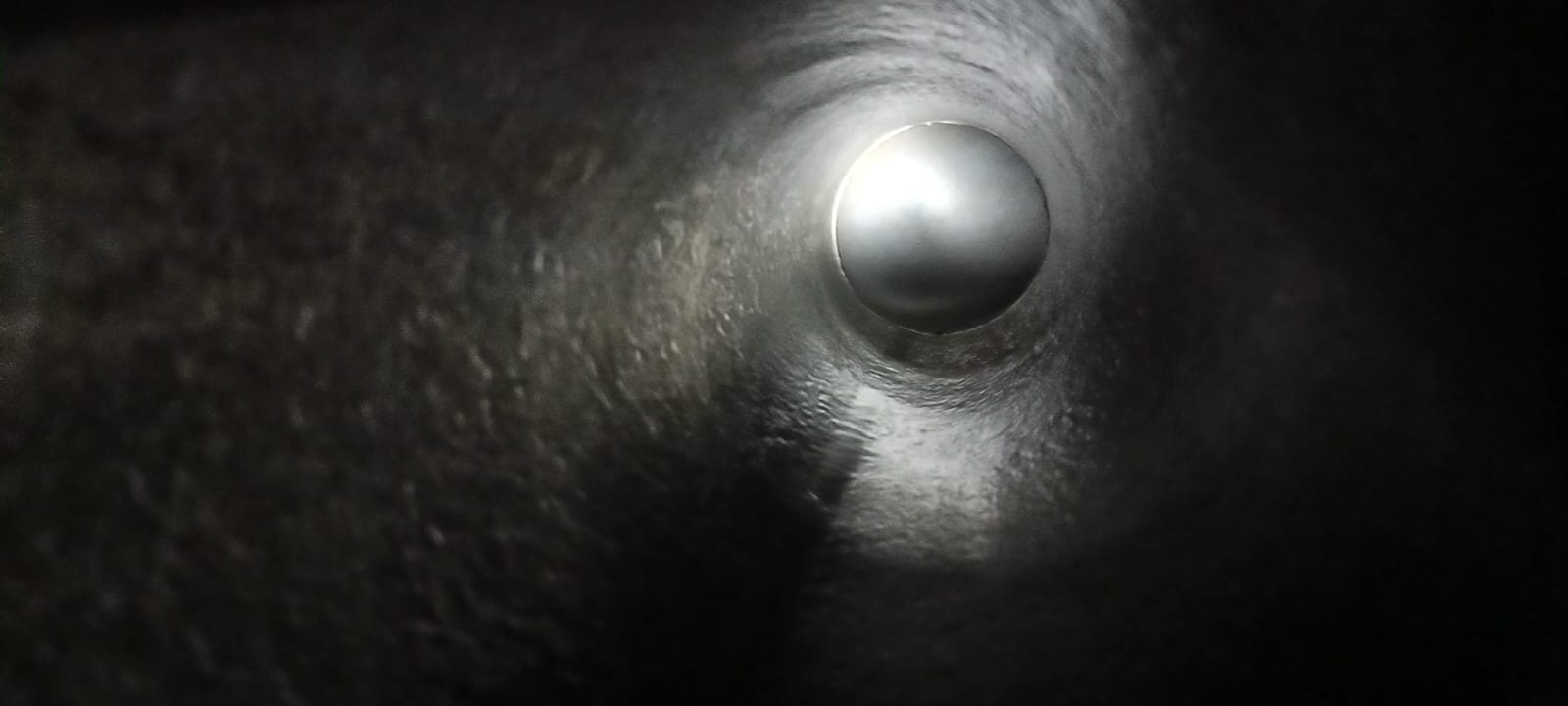
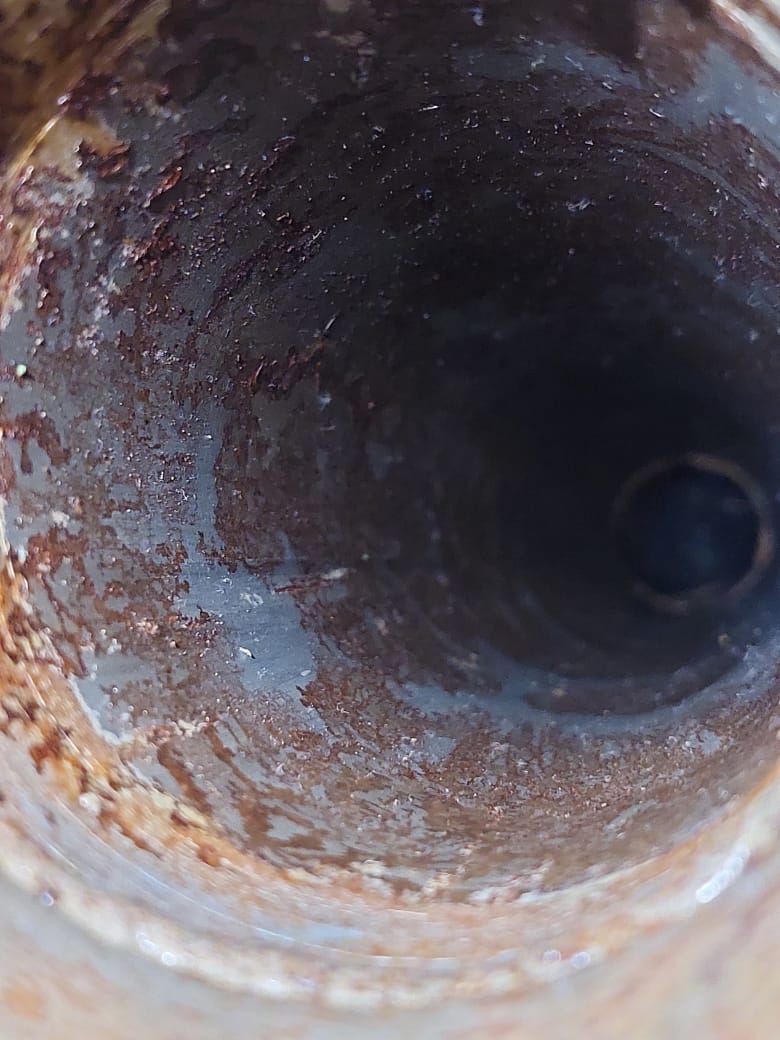
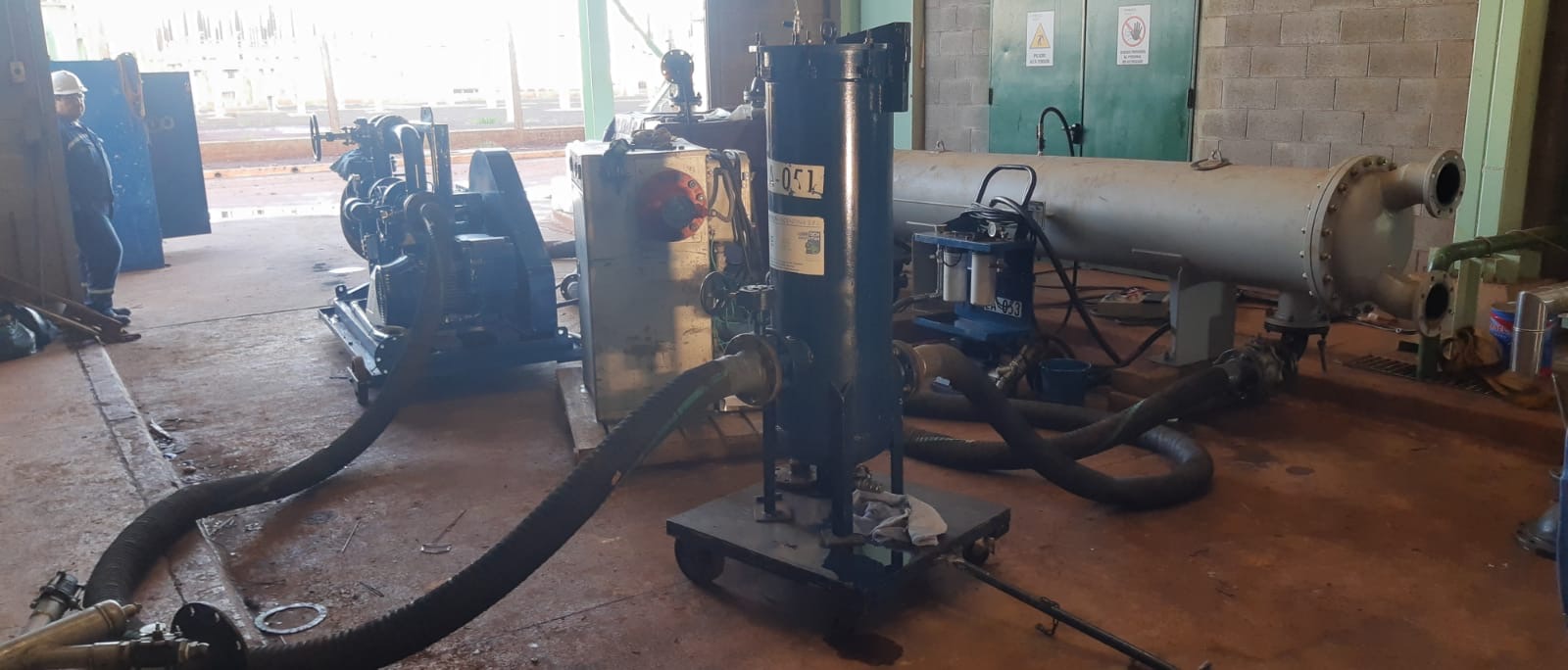
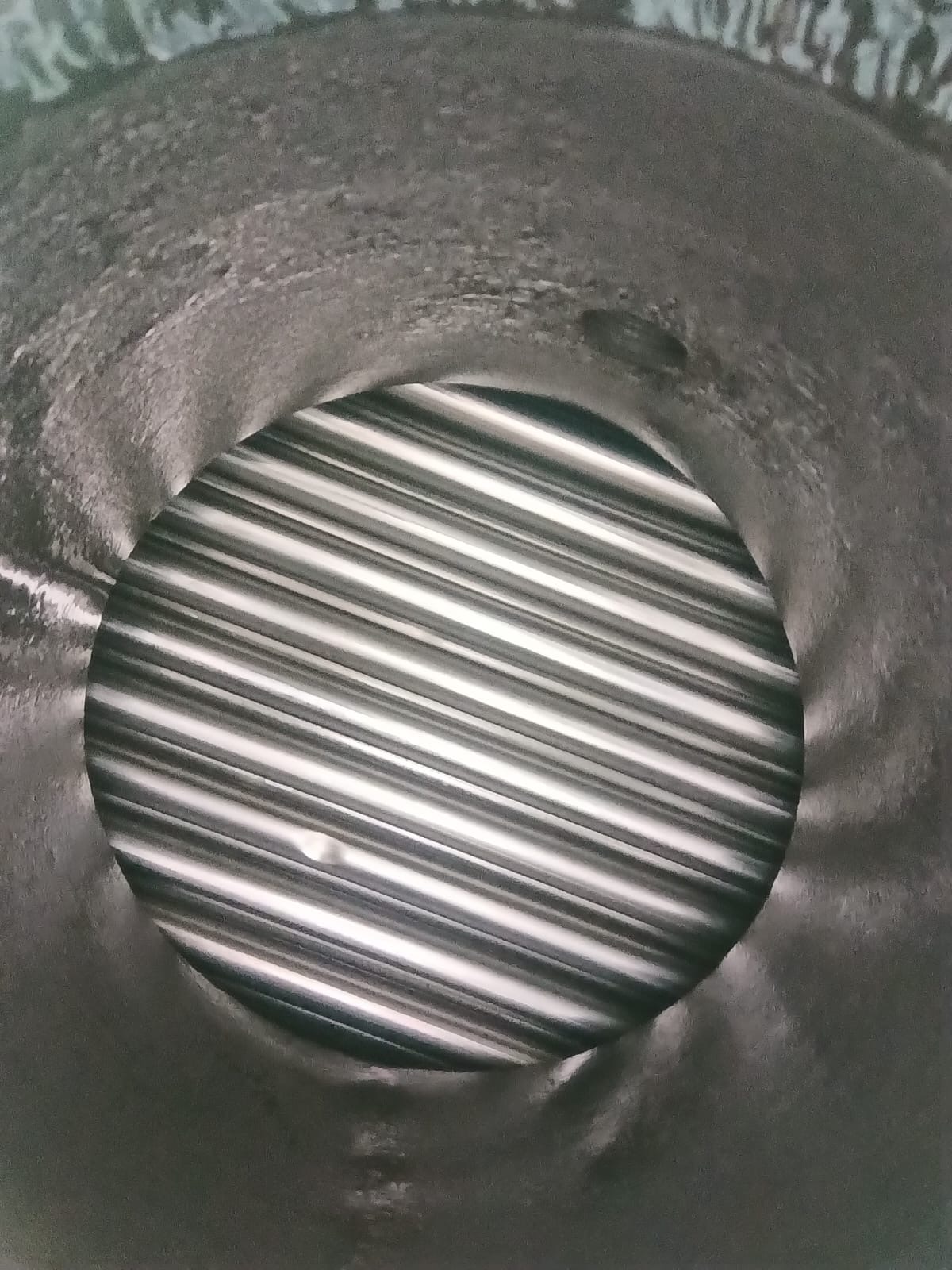
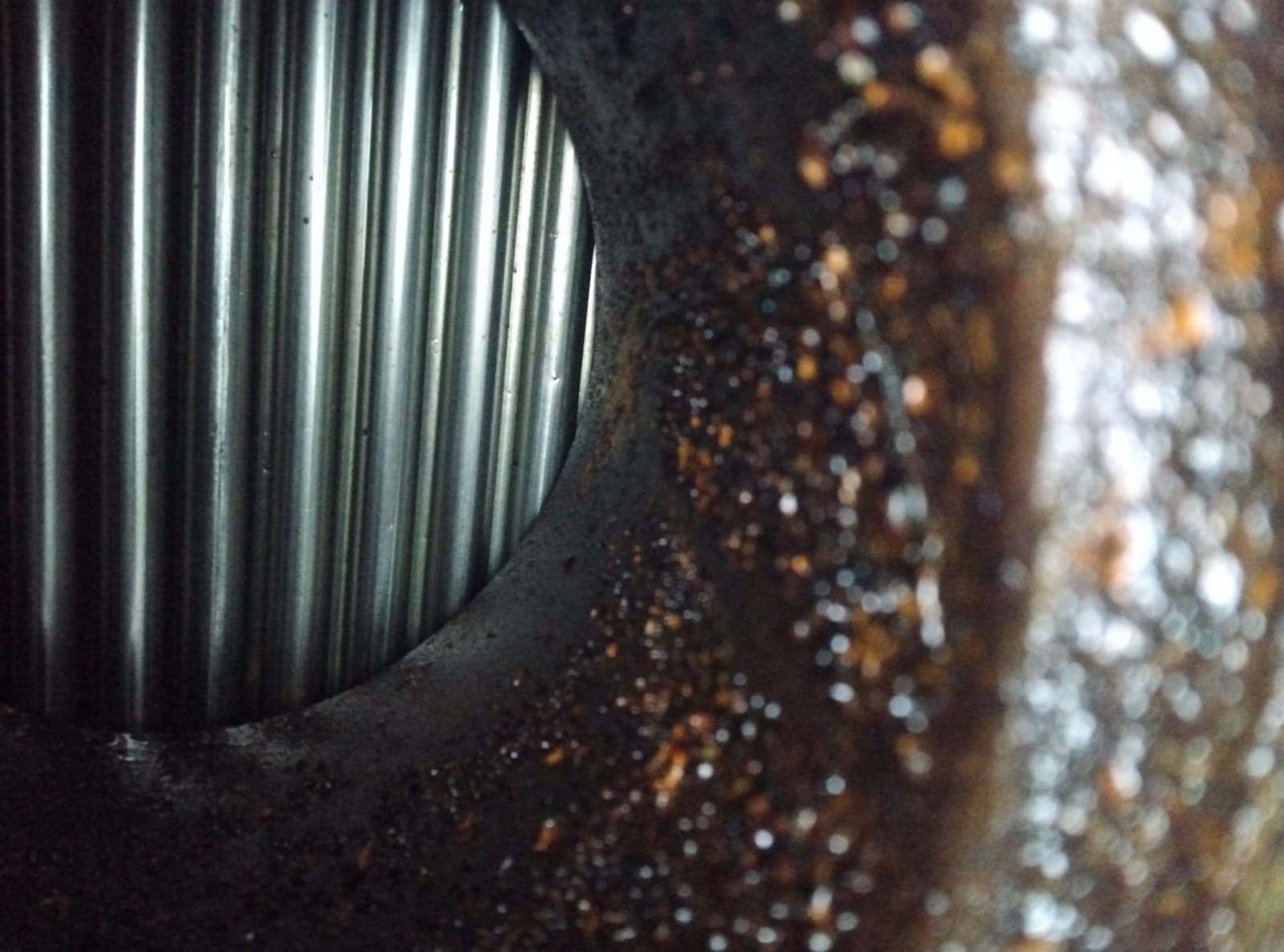
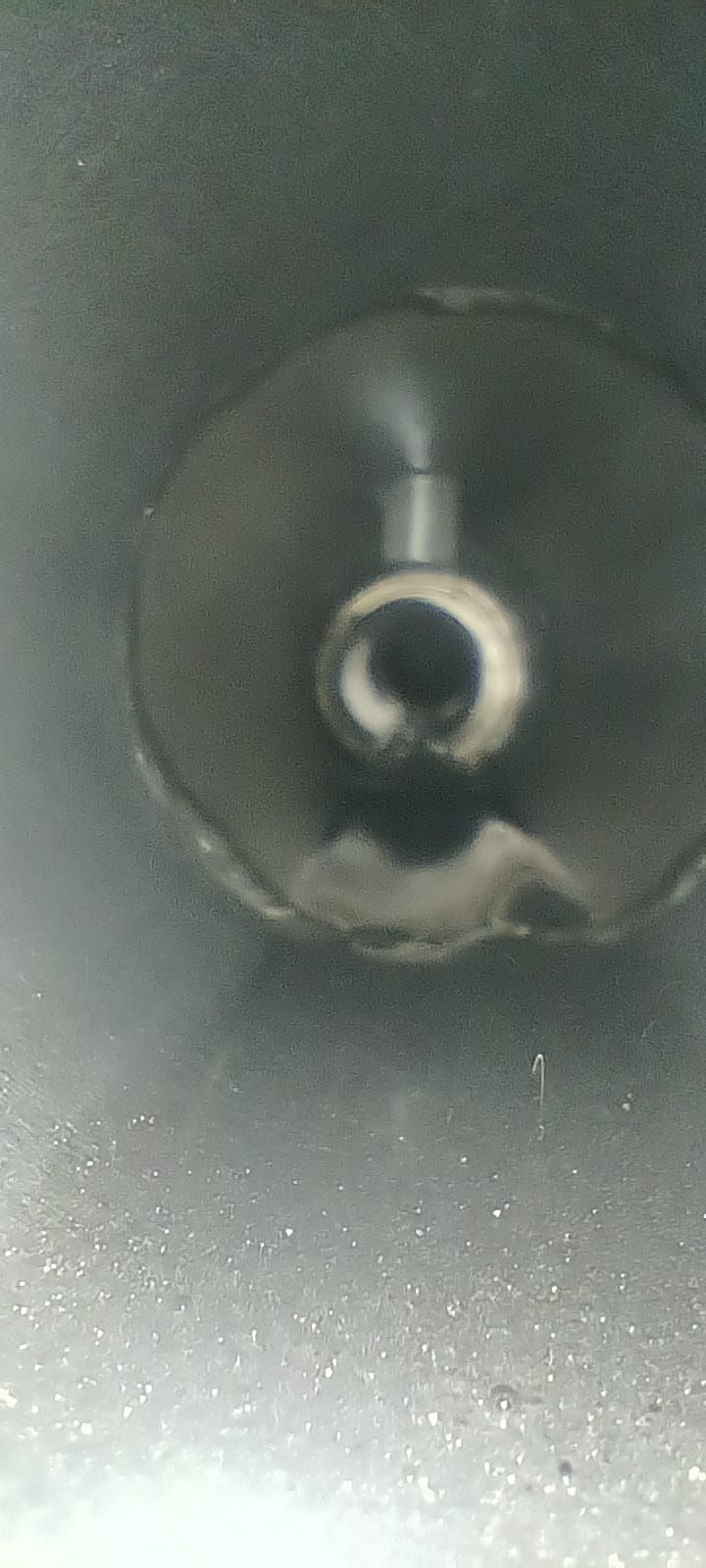
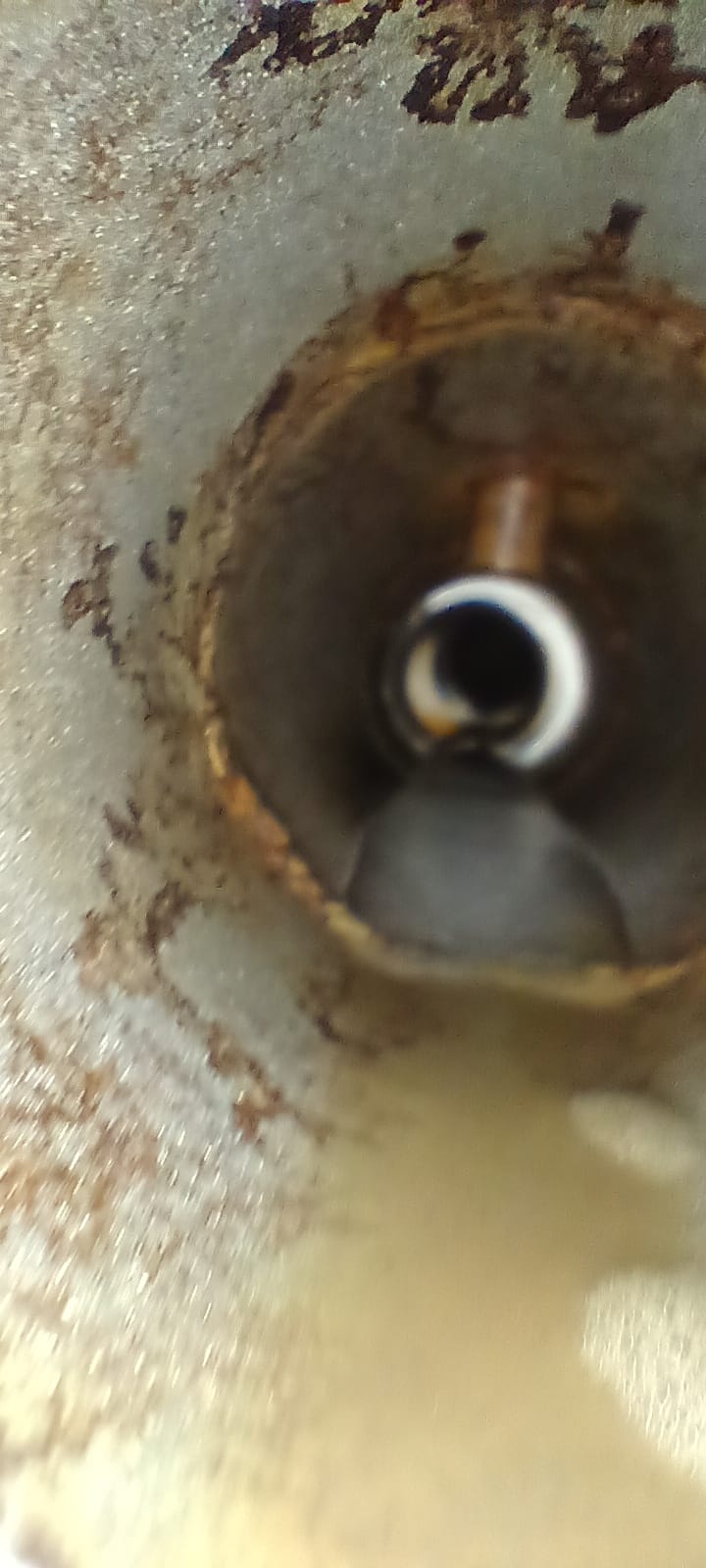
We drained the lubricating oil from the main tank, approximately 23,000 liters, into an external tank, where a high efficiency filtration is carried out, while a mechanical cleaning of the tank is carried out, considered a Confined Space. It is important to indicate that during the cleaning we found tools inside the tank (see photo).

Once the cleaning of the tank was completed, and having the approval of the owner, the oil is loaded again under filtration; until reaching the appropriate ISO cleaning code.

A 320 lt/min filtration system was used with 34” long filter elements and β1›1000 (filtration efficiency of 99.9% for particles larger than 1 micron).

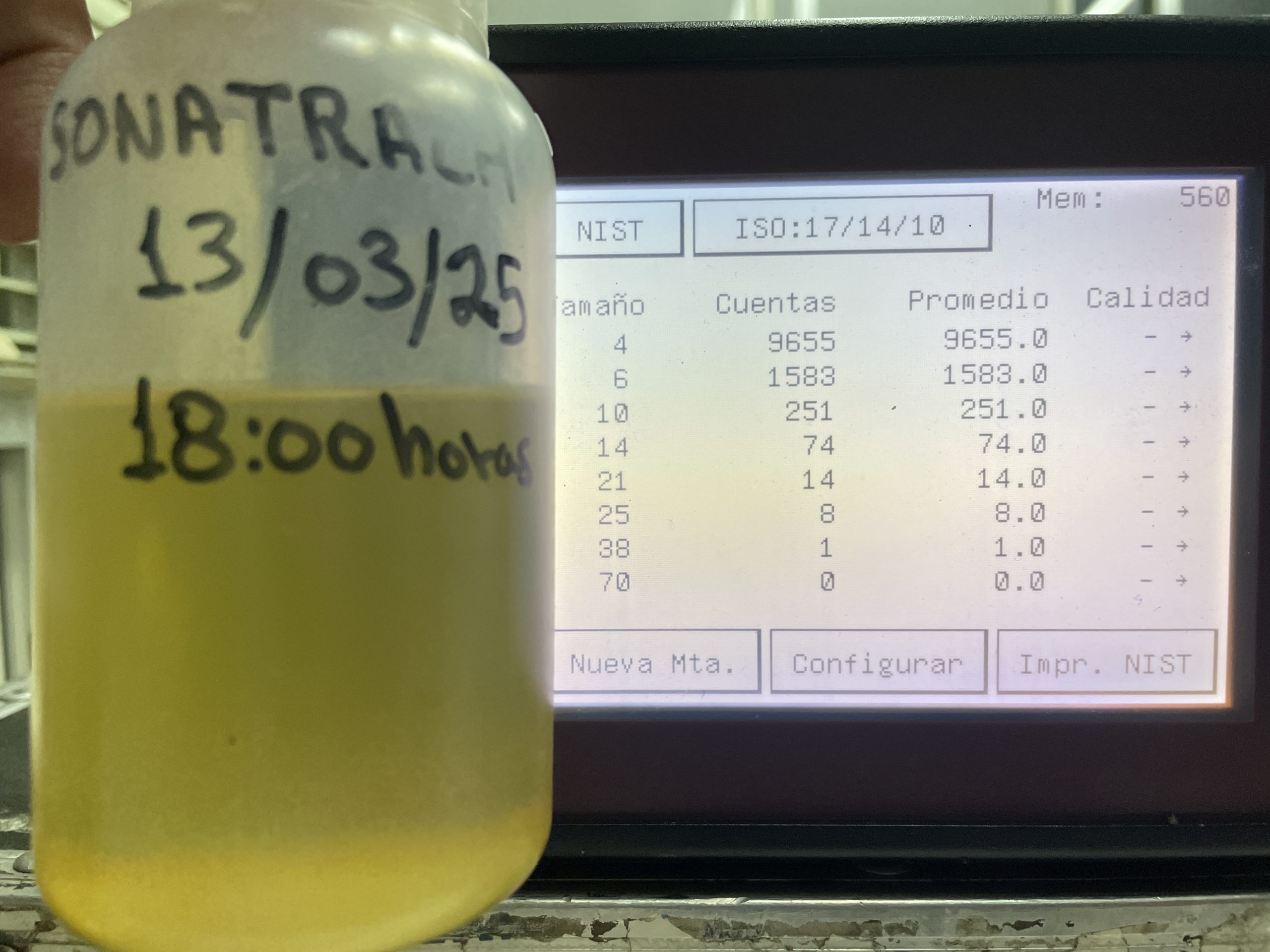
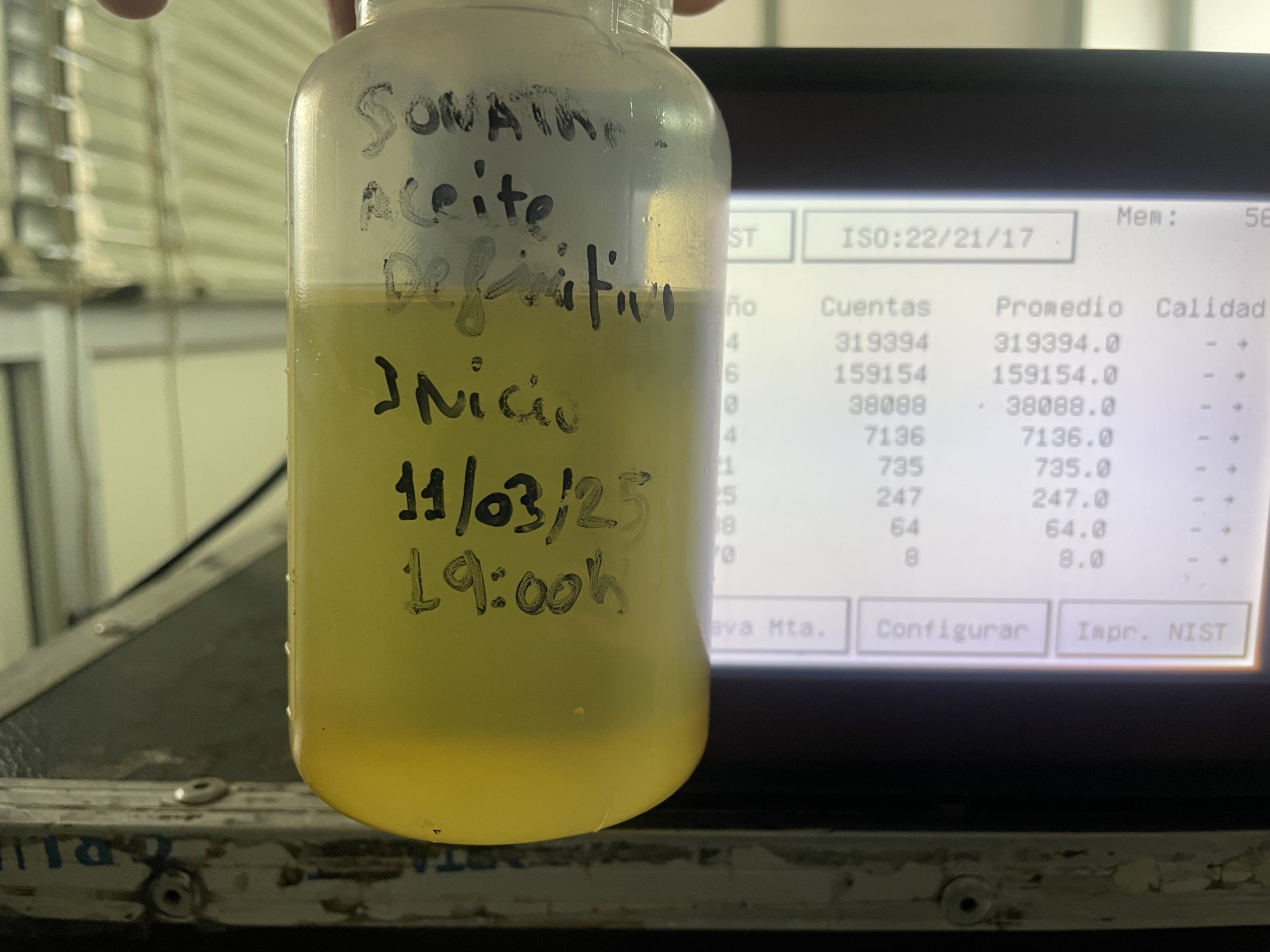
It can be seen in the ISO 4406 Code evolution curve how the lubricant cleanliness level was improved from ISO 19/18/14 to ISO 14/13/11. This means that the lubricant oil is delivered with 30 times less particle content. This feature provides a greater probability of correct operation of the turbine, and a longer expected life of the lubricant.

It is also very important to highlight that, due to the Meteorological Alert, we had to change the return route of our technicians, to avoid any risk.

We would like to thank our clients, our suppliers, and our staff for their trust in us, in providing a quality, safe, and environmentally friendly service.

If you wish to receive information about our services, please do not hesitate to request it at info@sicelub.com, send a message to our WhatsApp line +34 616 54 7086, or visit our website www.sicelub.com.

In this video, we are going to delve into another of the lubricant’s functions and how it is improved by moving from oil level to oil mist lubrication.

We analyze in detail the function of removing particles. When we have an oil bath, it is easy to notice that any dirt or wear particles present will remain suspended in the oil bath, and there is no possibility of them being eliminated. The presence of these particles will cause abrasive wear of the bearings. In the case of oil mist lubrication, since there is a permanent flow of oil mist entering and leaving the system, it is easy to notice that any dirt or wear particles present will be expelled outside the tribological contact zone. A common example is to compare the situation of taking a daily immersion bath, always using the same water, which periodically becomes dirty; with the situation of changing the above for a fresh shower with clean water, a situation that is undoubtedly much more effective and common.

The process that would be quite strange for a daily personal hygiene situation; It is widely accepted in the industry when it comes to bearing lubrication. Undoubtedly, an opportunity for significant improvement.

You can leave your comments here, visit our webpage at https://sicelub.com/en/solutions-sicelub-lubritech-group/#tab-id-1 , or asking for more information to our email info@sicelub.com

In this video, we will delve into one of the functions of lubricant and how it is improved by moving from oil level to oil mist lubrication. Lubricating oil has different functions, among the most important we highlight lubricating, cleaning or removing particles, cooling, and protecting against corrosion.

We analyze the lubricating function in detail. While in the oil bath or level, this function is only fulfilled in a pump in operation; when the oil mist is applied, lubrication is achieved both in pumps in operation, as well as in pumps on standby. In an oil bath, we depend on the ring or disc to deliver lubricant to all the internal parts of the pump. In the oil mist, all the internal parts of the pump will be always impregnated with oil, optimizing the lubricating function.

You can leave your comments here, visit our webpage at https://sicelub.com/en/solutions-sicelub-lubritech-group/#tab-id-1 , or asking for more information to our email info@sicelub.com

Here we will discuss the possibility of dispersed or stray mist during the application of the technology. Although there are completely closed mist lubrication systems, some applications were carried out with open systems, and it is possible that there is stray mist in the environment during the application. It is very important to note that there is an OSHA regulation that indicates that an operator working 8 hours straight cannot be exposed to more than 5 mg of mist per cubic meter of air.

In open systems, mist lubrication systems have a concentration much lower than that limit; and in Oil & Gas applications, there is never the situation of an operator working 8 hours straight on a pump with mist lubrication.

It is important to note that stray mist does not cause any problem and complies with the requirements of OSHA regulations.

You can leave your comments here, visit our webpage at https://sicelub.com/en/solutions-sicelub-lubritech-group/#tab-id-1 , or asking for more information to our email info@sicelub.com


This fragment shows in detail how oil mist is applied to the different bearings of centrifugal pumps. The mist that is transported by the main header reaches a manifold, from where different tubings can be derived with application to different points. In these derivations, reclassifiers are installed, which are devices specially designed to significantly increase the particle size of the mist; from about 3 microns up to 10 microns; and also to dose the appropriate amount of oil mist, according to the type of bearing; in order to provide the right amount of lubricant.

In the lower part of the graph, you can see how the mist is collected after having been lubricated, and it can be collected and recirculated again.

You can leave your comments here, visit our webpage at https://sicelub.com/en/solutions-sicelub-lubritech-group/#tab-id-1 , or asking for more information to our email info@sicelub.com

In this video we can see in a summarized way what a mist lubrication system is like. We see the Oil Mist Generator Console, which is a cabinet with an oil tank, and two mist generators, one main and one auxiliary. This console has no moving parts to generate the mist; and it only works with instrument air and lubricating oil, generating a mixture of 200,000 parts of air to one of oil, which is then conducted through a pipe to the different application points.

Oil mist is transported through a main header, and in each equipment, it is applied by special dosing devices to each bearing of the pumps. After the mist is applied, it is collected by a system that condenses the oil again and it is returned to the console to be reused, forming a completely closed system.

You can leave your comments here, visit our webpage at https://sicelub.com/en/solutions-sicelub-lubritech-group/#tab-id-1 , or asking for more information to our email info@sicelub.com

In this video we will see what the root causes of failures in centrifugal pumps are.

Failures due to bearings and mechanical seals are the most important as contributors to negatively impacting the reliability of centrifugal pumps. Within the failures due to bearings, the greatest impact is the presence of particles in the lubrication. Throughout the next videos, we will see how oil mist lubrication manages to solve the problem of the presence of particles in the lubricant, which causes the greatest number of failures due to bearings. We will also see that failures classified as caused by “mechanical seals” are also reduced.

In summary, and as we mentioned in the previous post, the MTBF of centrifugal pumps is greatly improved when oil mist lubrication is applied.

You can leave your comments here, visit our webpage at https://sicelub.com/en/solutions-sicelub-lubritech-group/#tab-id-1 , or asking for more information to our email info@sicelub.com

This section compares the MTBF of centrifugal pumps in different industries and regions of the world, to visualize the opportunity for improvement. Remember that the MTBF (Mean Time Between Failures) measures the frequency of failures or interventions in centrifugal pumps. This KPI is used to compare both the availability and reliability of a mechanical element. The higher this value, the better the reliability and availability indicators.

Although statistics from about 8 years ago are shown, it can be noted that there is a wide range of these values ​​when comparing different regions and markets. It is highly remarkable that the best indicators are found in “best of class” pumps in the Texas area, where oil mist lubrication is a standard practice among all users. A good way to view this slide is to understand that if you have an MTBF of less than 6 years, by applying mist lubrication, you will be able to improve this indicator, even if you think that the pumps do not fail due to lubrication problems.


You can leave your comments here, visit our webpage at https://sicelub.com/en/solutions-sicelub-lubritech-group/#tab-id-1 , or asking for more information to our email info@sicelub.com

Some years ago, our Company arranged an online Webinar about Oil Mist Lubrication. It was performed
by Heinz Bloch, world leader in rotating equipment reliability. During this show, we were able to share
with attendees the vast experience of Mr. Heinz Bloch and some applications our company did for the
Industry.

We are going to publish some extracts of this webinar in different posts. You will be able to get answers
for different questions about Oil Mist Lubrication, benefits, applications, etc.
We invite you to follow under the hashtag #HeinzBlochSicelub. Below, the first video.

You can leave your comments here, visit our webpage at https://sicelub.com/en/solutions-sicelub-
lubritech-group/#tab-id-1 , or asking for more information to our email info@sicelub.com

In mid-2023, our Company in Brazil, Lubritech do Brasil decided to invest in bringing 10 Thermojet oil purifying equipment to Brazil for immediate delivery or service, due to the growing demand from the Industry to solve problems of contamination by water, particles, gases and varnish; in different equipment such as Steam Turbines, Gas Turbines, Paper Machines, Compressors and Centrifugal Pumps.

With an installed base of more than 120 equipment in Brazil, Thermojet technology has proven to be a reliable solution for removing contaminants over the past 25 years. The main feature of the Thermojet purifying equipment is its autonomous way of working, that is, 24×7 without the need for a full-time operator, we could say that it is a “plug & play” equipment. Several turbine and compressor manufacturers integrate Thermojet equipment as part of the machine’s Lubrication and Control System.

The equipment arrived in Brazil, was certified by Inmetro, and after 2 months, only 4 remain available for sale and/or service provision in our facilities. We hope to have them operating soon and adding value to our client’s facilities.

This technology is available to offer in Latin America, Europe and around the world. We invite you to watch a video on how the equipment works, and find more information at https://sicelub.com/en/solutions-sicelub-lubritech-group/#tab-id-2

Thermojet video: https://www.youtube.com/watch?v=bHm6zFc_wgY

We attach photos of our available equipment, and some of them operating in the plant.

If you have any needs, you can contact us via email at info@sicelub.com or comment on this post requesting more information.